
You do not need to keep your home ready for a showing every day. But keeping up with home maintenance can give you more choices when it is time to sell.
My priorities are straightforward: investigate water problems promptly, maintain the systems serving your home, and plan financially as those systems age.
The reason goes beyond appearance. Deferred maintenance can affect when you list, what you must spend before closing, and how much money remains available for your next move.
Start with problems that can grow
Water-related problems belong near the top of the list.
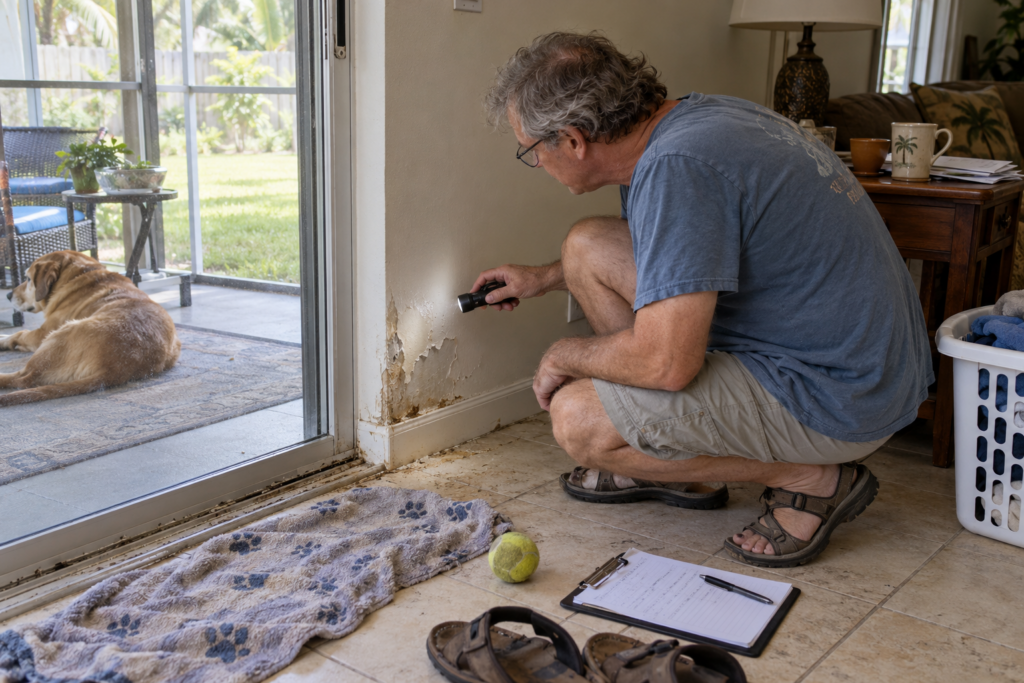
That includes roof leaks, HVAC condensation issues, failing seals around doors, and signs of wood or fungal rot. A stain or recurring mildew deserves investigation. Cleaning what you can see does not establish that the underlying problem has been resolved.
One homeowner I helped learned that distinction at a difficult time.
Ben noticed water intrusion around his shower. Discoloration developed around the enclosure, and gaps appeared in the grout. He kept cleaning the mildew, believing that keeping the shower clean was enough.
Years later, a job relocation required him to move. While preparing to sell, he arranged for caulking, grout work, and paint. That work uncovered a much larger problem.
The shower had to be removed to the studs. Significant mold required professional remediation followed by reconstruction. Before listing, Ben had spent approximately $30,000.
The work delayed listing by a month. His relocation could not wait, so he moved before the home was ready. He drew from reserves, and staging the empty house added another expense.
We could market the renovated primary bathroom as a positive feature. But the work consumed money and time he needed for his move.
We cannot know exactly what an earlier repair would have cost. His experience does show why recurring evidence of water deserves attention before a move makes the timing urgent.
Maintain working systems and budget for their age
I am a minimalist about replacing equipment that is functioning properly. While you live in your home, maintaining a serviceable system can be a reasonable decision.
But continued operation and readiness for a sale are different considerations.
In every transaction I have handled during the past 16 months involving a water heater 13 years or older, replacement was required for the buyer to obtain insurance. That is my transaction experience, rather than a universal age rule.
Roofs have presented similar practical challenges. Even with a four-point inspection indicating five years of remaining life, I have not had an insurer allow an older roof to remain beyond approximately 45 days before or after the transaction.
Florida has provisions concerning roof age and inspections, but I would not advise a homeowner to assume an inspection will eliminate replacement from the sale planning. We need to investigate the actual insurance options with a knowledgeable insurance professional.
HVAC is more dependent on condition. Once a system is over 13 years old, I want homeowners budgeting for the possibility of replacement. That does not tell us when a particular unit will fail. It does mean buyers may see an approaching expense and account for it in their offer.
You may reasonably keep using a functioning system. Budgeting helps preserve your choices if replacement becomes necessary.
Keep up with routine home maintenance
Routine maintenance also makes a difference.
Pay attention to damaged flooring, deteriorating grout, worn paint, malfunctioning fixtures, and overgrown landscaping. You do not need to renovate every room. The goal is to keep manageable work from accumulating until it competes with packing, moving, and preparing to sell.
Understand the cause before restoring the appearance. If a wall is stained, investigate the source before painting it. If wood is deteriorating around a door, determine why.
Keep invoices, service records, warranties, and useful photographs. Those records help you track completed work and answer questions later.
A short deadline changes the plan
Advice changes when a homeowner needs to list quickly or has limited cash.
In that situation, I generally begin with inexpensive work that has a meaningful effect on presentation. Cleaning and curb appeal are priorities. Paint and flooring deserve consideration where their condition makes the work necessary.
Major systems may become part of the negotiation rather than an expense the seller pays before listing. That requires understanding the issue, the buyer’s needs, and what arrangements are workable.
I have negotiated sellers leaving a washer and dryer in exchange for the buyer accepting certain repair or replacement matters. I have also negotiated seller contributions toward a buyer’s closing costs, allowing the buyer to retain cash for repairs after closing.
Those concessions still have a cost. Their value is that they may solve a problem without requiring the seller to fund the work upfront.
The key word is negotiated. An arrangement must satisfy the people involved and work within the transaction’s requirements. A representative’s ability to understand priorities and negotiate effectively can influence whether the seller accomplishes the move.
Give home maintenance a place on the calendar
Every six months, I recommend setting aside a Saturday to walk through your home and around its exterior.
Write down what needs attention, identify anything requiring professional evaluation, and commit the following three weekends to completing or arranging routine work.
That schedule is a backstop. When you notice a leak, recurring moisture, or developing damage, address it promptly rather than waiting for the walkthrough.
You cannot predict every repair or change in your life. Keeping up with home maintenance can make your next decision easier.
Start with what is happening in your home now. Investigate developing problems, maintain what is working, and budget for what is aging. Those decisions help preserve flexibility whether you stay for years or find yourself needing to move sooner.
Ben is a fictional name used to protect the homeowner’s privacy.