
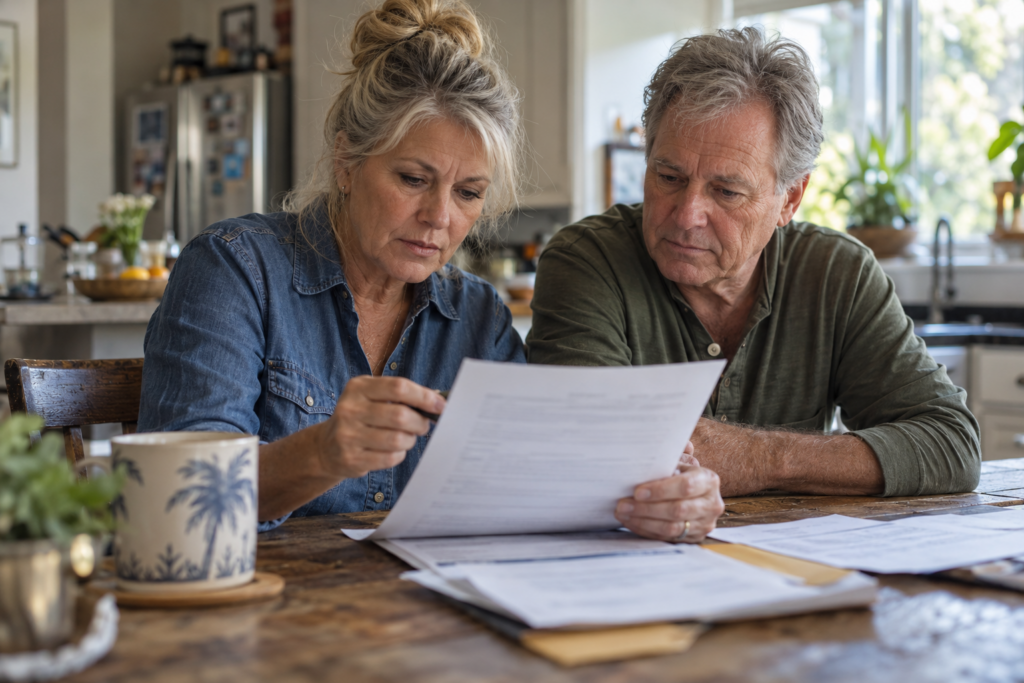
When you bought your home, the deed recorded an ownership arrangement based on your circumstances at the time. Since then, you may have married, divorced, lost someone, created an estate plan, or changed your mind about who you want to receive the property.
Your life has moved forward. Does the deed still fit?
Reviewing it can help you recognize questions worth addressing while you have time to consider your options. You don’t need to be planning a move. You need to understand whether the arrangement you have supports what you want today.
Start With Your Circumstances
When I am asked to review a deed with a homeowner, I first want to understand why it was set up that way in the first place. What were they trying to accomplish? Has anything changed? What do they want now?
I also want to know what they believe the document does.
That last part matters. Deeds use specific language, and wording that looks perfectly proper may not accomplish the outcome someone expects. A misspelled name is one kind of concern. An ownership arrangement that doesn’t match your intentions is another.
The document and the conversation both matter. Reading the deed without understanding your goals gives me only part of the picture.
When an Earlier Plan No Longer Fits
When Patty prepared to sell her home, I pulled the deed as part of our initial work. I’m using a different name here to protect her privacy.
She had what is commonly called a Lady Bird deed, or enhanced life estate deed. Her circumstances had changed, and the people she wanted to receive the property were different from those reflected in the existing arrangement.
When I brought it to her attention, her response was direct:
“This is all wrong.”
The document reflected an earlier plan. Her wishes had changed.
We sold her home, and the ownership arrangement for her next home was established to reflect her current circumstances.
Her experience shows why reviewing a deed involves more than asking whether it was prepared correctly. An arrangement that once made sense may deserve another look when the people and priorities in your life change.
Two Names Can Leave Room for Misunderstanding
I have also worked with partners who believed that having both names on the deed meant the surviving partner would receive the entire property.
Their deed reflected ownership as tenants in common. That arrangement gives each owner a separate interest, without an automatic right to receive the other owner’s share at death.
Florida law generally requires survivorship rights to be expressly provided for, with a separate rule for a form of married ownership called tenancy by the entirety. The particular deed and circumstances need professional review.
You don’t need to memorize those terms. You do need to know whether the arrangement matches your expectations.
If your intention is for your partner to receive your interest in the home, that intention should be clearly explained to the professional reviewing your ownership documents. Assuming the wording accomplishes it can leave an important question unanswered.
Your Home and Your Estate Plan Need to Work Together
Creating a trust can bring a sense that the planning is complete. But the ownership of your home still needs to be coordinated with that plan.
I have encountered situations where homeowners believed their home was in a trust, but it had never been transferred into it.
The Florida Bar explains that formally transferring appropriate assets into a trust is called “funding” it. Assets that have not been properly transferred may still require probate—the court process for administering a deceased person’s estate. Whether your home should be placed in a trust requires advice specific to your circumstances.
The useful question is straightforward: has the plan you created actually been carried through for this property?
Watch for Something You Don’t Recognize
Fraud is another reason to review your property records. An unfamiliar name or a transfer you never authorized can stand out quickly and deserves prompt investigation.
Spotting something unexpected does not, by itself, establish fraud. It does give you a specific concern to bring to a title company or attorney so they can determine what happened and what needs to be done.
Education First. Solution Second.
When I identify a concern, I explain why the deed appears inconsistent with the homeowner’s understanding, what may need to change, and what addressing it is likely to involve.
Education first. Solution second.
You should understand why the issue matters and how addressing it would serve your goals before deciding what to do.
My role is to help get to the core of the question and connect you with the appropriate professional. That preparation can save time and may reduce billable hours by making the conversation more focused.
Changes need to be handled through the appropriate title company or attorney. The right next step depends on the issue. Correcting a document error and reconsidering an estate plan may involve different work.
Give Yourself Time to Decide
As a courtesy, I provide clients with a copy of their recorded deed, a guide to reviewing it, and a personal note highlighting questions that may deserve attention. You can also request this review.
I encourage homeowners to revisit the subject annually and after meaningful changes in their lives. A review may confirm that the arrangement still fits. It may also uncover something worth discussing before a sale, a death, or another event makes the question urgent.
Start with what you want your ownership arrangement to accomplish. Then make sure you understand whether the documents support that intention.
If you would like a copy of your recorded deed and help identifying questions to take to a title company or attorney, I’m happy to help.
This article provides general Florida real estate education, not legal or tax advice. Individual deeds, estate plans, and circumstances require review by the appropriate professionals.