
By Tim Hanavan | REALTOR® | RE/MAX Premier Group
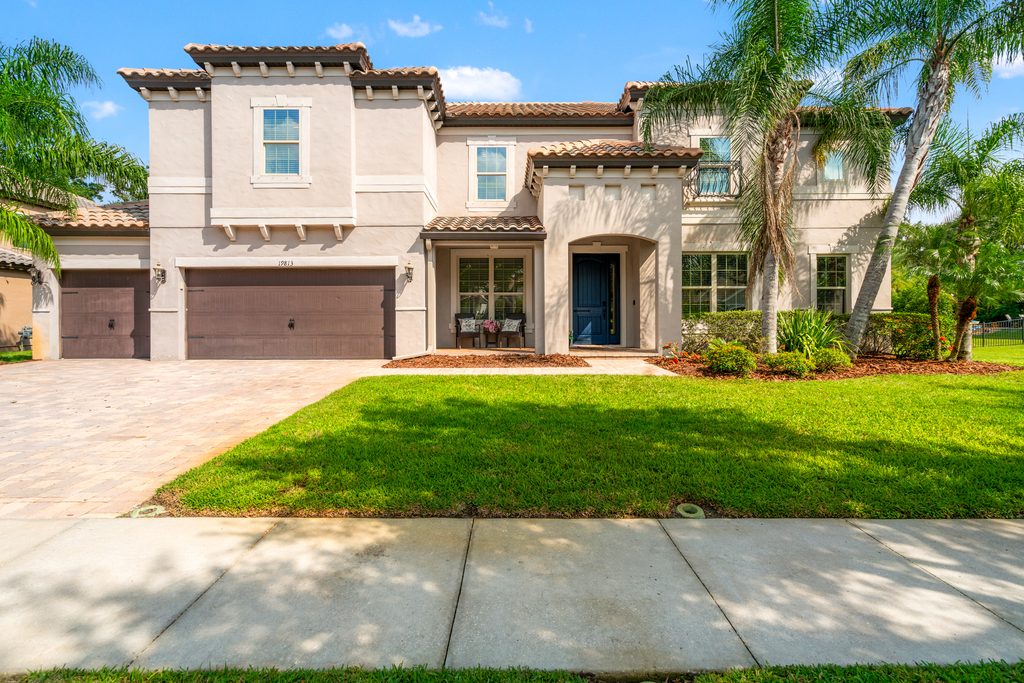
Jim and Sarah weren’t planning to move.
Then a friend invited them to visit a community where they could picture their next chapter. They stopped at an open house, fell in love with a home, and suddenly wanted to make it theirs.
There was just one problem.
They needed to sell their current home before they could purchase the next one. And they hadn’t prepared for that step.
It’s a situation many homeowners face. You find a home you love, but now you’re wondering:
Should I sell my current home first, or buy my next one first?
The short answer: For most homeowners who need the equity from their current home to purchase their next one, selling first is generally the safer approach. Buying first may make sense when you have the financial flexibility to comfortably own both properties temporarily.
The right decision depends on your finances, your timing, and how much uncertainty you’re comfortable managing.
When Selling First Makes Sense
In approximately 60 situations where I’ve helped clients sell one home and buy another, only seven or eight were better served by buying first.
For most homeowners who need the equity from their current home to purchase the next one, I recommend getting their existing home under contract before making an offer. Ideally, the buyer’s inspection period should be complete, too.
Selling first can help you understand how much money you’ll have available, what you can comfortably spend, and how to coordinate the timing of both transactions.
But there’s a question I hear often:
“If I sell first, where am I going to live?”
Selling first doesn’t necessarily mean moving twice.
Depending on the circumstances, we may be able to coordinate both closings or negotiate an arrangement that gives you additional time to move.
The important thing is planning for those details before committing to either transaction.
When Buying First May Be Better
Sometimes buying first makes sense.
You may have enough financial flexibility to purchase without depending on the proceeds from your current home. Or you may be searching for a particular property that’s difficult to find.
But before taking that approach, you need to understand the financial exposure.
Could you comfortably carry both homes if your current property takes longer to sell than expected?
What if it sells for less than anticipated?
And if financing is involved, has your mortgage professional confirmed that you can qualify while still owning your current home?
Buying first can provide flexibility, but that flexibility needs to be weighed against the financial risk.
How One Couple Made It Work
For Jim and Sarah, selling first was necessary. They needed both the equity and the mortgage payoff from their current home to purchase the next one.
Before moving forward, we talked about what mattered most.
Was it that particular house, or was it the community and lifestyle they wanted?
They realized another similar home in the same community would also meet their goals. That gave them a backup plan if their first choice sold.
Their current home was nearly ready for the market. They completed the remaining preparation in a few days, and we had it listed within a week.
We also discussed pricing as part of their larger goal. They chose a competitive asking price designed to attract buyers while remaining within what they were comfortable accepting.
Their home went under contract in 16 days.
The next day, they made an offer on the home they wanted.
There were still challenges, including inspection negotiations, but we worked through them while keeping both transactions moving.
In the end, Jim and Sarah bought and sold on the same day. We also negotiated three additional days for them to move, at a total cost of $450.
They reached the home they wanted without having to move twice.
Their experience illustrates something I believe is important: the best plan considers the entire move, not just the sale or purchase separately.
Jim and Sarah’s names have been changed to protect their privacy. Their experience is based on an actual client transaction.
Want to know how the entire move came together? Read the full story of how I helped Jim and Sarah buy and sell on the same day without moving twice.
Read the full story: How We Helped a Couple Buy and Sell a Home on the Same Day Without Moving Twice →
Four Questions to Ask Before You Decide
Before choosing which transaction should come first, I encourage homeowners to consider four things:
- Do you need the equity from your current home? If those funds are necessary for your next purchase, that dependency needs to shape your plan.
- How ready is your current home to sell? A home needing a few days of preparation presents different options from one requiring substantial work.
- How much uncertainty can you comfortably manage? Coordinating two transactions can involve inspections, appraisals, financing, and closing dates that don’t always go as expected.
- What alternatives would you accept? If the home you want sells before you’re ready, would another property meet your needs?
You don’t need every answer before starting the conversation. But understanding these factors helps us build a realistic plan.
Sequence Matters
It’s easy to think of buying and selling as two separate real estate transactions.
But for you, they’re one life transition.
Your home’s value affects your purchasing options. Your pricing strategy affects your timing. And the terms you negotiate can affect when and how you move.
I believe homeowners deserve to understand how those decisions connect before making commitments.
If you’re considering a move in Land O’ Lakes, Lutz, Trinity, Wesley Chapel, Odessa, New Port Richey, Zephyrhills, or surrounding communities, a good place to start is understanding the value of the home you already own.
You don’t have to be thinking about selling to have a reason to know what your home is worth.
Before you commit to buying or selling, let’s map out your move and determine the sequence that makes sense for you.
Tim Hanavan
REALTOR® | RE/MAX Premier Group