
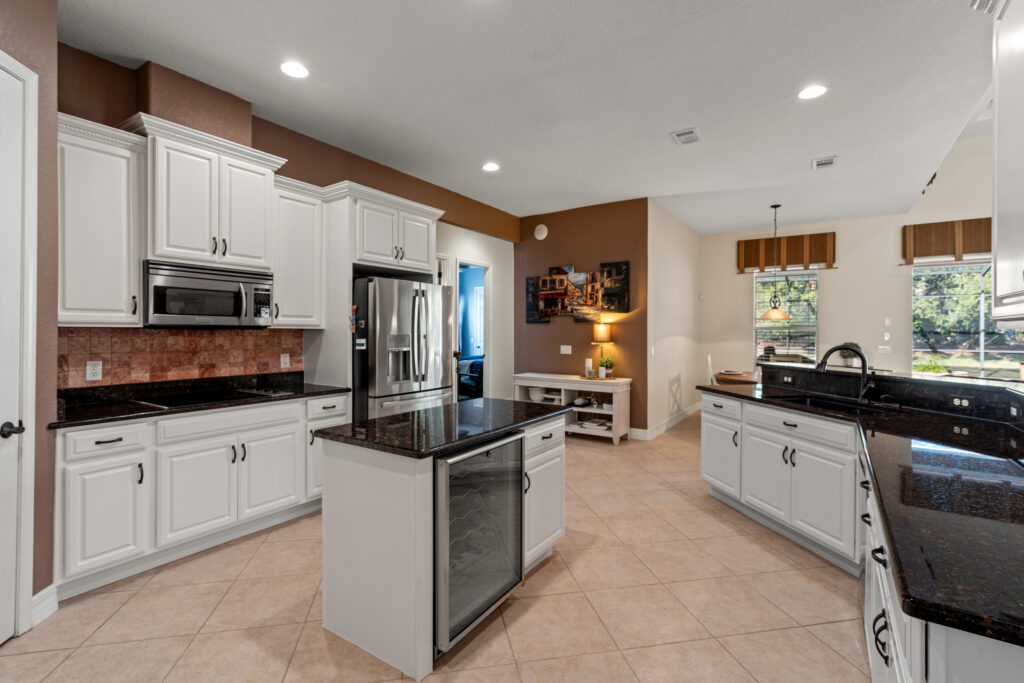
John and Julia were preparing to move out of state. Like many homeowners, they wanted to make their home more appealing and get a good price when they sold.
They had watched HGTV and had ideas: renovate the kitchen, add a media room, and build an outdoor kitchen. By the time we spoke, they had signed a contract for one project and received bids for the other two. The proposed work totaled approximately $85,000. No money had changed hands.
Their intention made sense. They believed improving the home would increase its value.
But there was another question to answer before they spent the money: after paying for the work, would they actually take more money with them?
That is where I start when helping someone prepare a home for sale. The selling price matters, but so does what it costs to get there.
What would those improvements accomplish?
The television program that influenced their plans featured a home in Hawaii. Its results did not tell us what buyers would pay for the same improvements in their Tampa-area home.
We needed to look at their property, the homes competing with it, and what buyers were likely to expect.
My assessment was that the proposed projects would cost substantially more than they would add to the selling price. John and Julia were relocating. They would not be staying to enjoy the renovations, so the financial benefit of doing them mattered a great deal.
That does not mean a kitchen renovation is always a poor decision. It means we needed a reason to believe this kitchen renovation made sense for their sale.
The home needed attention elsewhere
Flooring in two rooms needed work. Some walls showed wear and tear. The roof was approximately 18 years old, and the water heater was about 13 years old.
The roof and water heater deserved a closer look because of potential insurance concerns. Their ages alone did not establish what an insurer would require. But we needed to evaluate whether those systems could become obstacles during a buyer’s purchase.
The home also had strengths already in place, including its neighborhood and location. Our preparation needed to help buyers appreciate what was there.
Together, we developed a plan with a budget of approximately $25,000. It included replacing the roof and water heater, addressing flooring in two rooms, repairing and painting selected wall areas, and deep cleaning.
John and Julia also reduced their belongings by roughly one-third. Buyers could see the rooms more clearly, and the couple had fewer things to move out of state. One decision helped with both goals.
If your move also involves purchasing another home, it helps to understand whether buying or selling should come first.
They changed their plans before spending
Once they understood the options, John and Julia amended the contractor agreement to cover flooring only and stopped pursuing the other projects.
They completed the focused preparation instead.
That represented approximately $60,000 less in planned spending than the original proposals. It was money they chose not to commit to projects that, in my judgment, were unlikely to justify their cost.
Their willingness to reconsider made a difference. They still invested in preparing their home, but each expense had a purpose tied to the sale and their move.
Did the preparation pay for itself?
After the work, we listed the home approximately $20,000 above where I would have recommended listing it in its earlier condition. It sold for full asking price in less than 30 days.
That $20,000 was based on my assessment of the home before and after preparation. We did not sell it twice, so we cannot know exactly what it would have brought without the work.
Before they proceeded, I had estimated that the preparation might recover roughly 70%–80% of its cost through a higher selling price.
Why consider spending $25,000 if the expected price increase was less?
Because some of the work addressed condition and potential transaction obstacles. We considered those benefits alongside the likely selling price, their budget, and their timing.
For discretionary renovations done solely to sell, my starting point is a reasonable expectation of recovering the full cost or more. Necessary repairs and work that may help a transaction reach closing require a broader conversation.
A different budget would have changed my advice
If John and Julia had less money available, I would have concentrated first on cleaning, selected painting, and carefully scoped flooring work. Those can improve presentation without taking on a major renovation.
Larger expenses would require looking at other options. Depending on the circumstances, we might account for an issue in the price or address it through negotiation.
Deferring work does not make the issue disappear. It changes when and how it may need to be handled.
If speed had been their priority, we could have simplified preparation further and considered a price that reflected the home’s condition.
The right plan depends on the property and the people selling it.
Have the conversation before hiring the contractor
John and Julia completed their sale after choosing a preparation plan that fit their circumstances.
The lesson is useful whether you are considering an $85,000 renovation or a much smaller project. Before committing, understand what the work is intended to accomplish, what buyers are likely to value, and how the expense affects what you take with you.
Sequence matters because spending first can limit the choices available later.
You do not need to finish fixing up your home before asking for guidance. You do not even need to have decided to sell. Understanding your options is a reasonable place to begin.
John and Julia are fictional names used to protect the homeowners’ privacy.